Kulangsu, a Historic International Settlement
Introduction
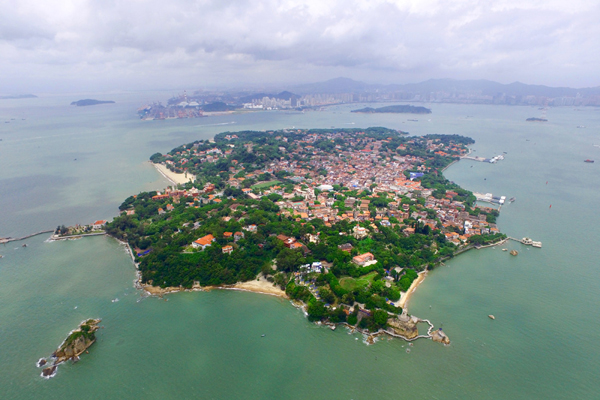
Gulangyu, known in the local dialect as Kulangsu, is a small island located at the estuary of the Jiulong River, directly across from the city of Xiamen in Fujian province, China. This picturesque island covers an area of just 1.88 square kilometers and is renowned for its unique cultural heritage, exemplified by its collection of 931 historic buildings. These structures represent a wide array of architectural styles, ranging from Traditional Southern Fujian Style to Western Classical Revival, and the distinct Amoy Deco style, showcasing a synthesis of Modernist and Art Deco influences. The island’s rich natural scenery, historic roads, and gardens further add to its charm, making it a prime example of cultural fusion. In recognition of its heritage and historical significance, Kulangsu was added to the UNESCO World Cultural Heritage list on July 8, 2017.
Despite its proximity to a major urban area, the island maintains a tranquil atmosphere, characterized by its lush greenery and car-free environment. The island's forest coverage exceeds 40%, with more than 90 different species of plants contributing to its rich biodiversity. Kulangsu's geographical features, including its historic roads and gardens, provide a serene backdrop for its architectural wonders, making it a unique ecological and cultural enclave.
History
The historical narrative of Kulangsu dates back to the early days following the First Opium War and the signing of the Treaty of Nanking in 1842. As China was opening its doors to international trade, Xiamen was selected as one of the five treaty ports, with countries like Britain, the United States, Germany, France, and Japan subsequently establishing consulates on the Kulangsu island. This period marked the beginning of a significant Western influence, which is still evident in the island's Victorian-style architecture. The presence of consulates, churches, and hospitals further solidified Kulangsu’s role as a melting pot of cultures.
During this era, Kulangsu saw rapid growth in Western cultural influences, particularly in music. The island's reputation as the "Island of Music" was born out of this fusion, with Western music blending seamlessly with Eastern traditions. The prevalence of musical instruments, especially pianos, is a testament to its rich musical heritage, as it boasts the highest per capita ownership of pianos in China.
After World War II, Kulangsu underwent significant changes as it transitioned from an international settlement to a part of the People's Republic of China. Despite geopolitical shifts, the island managed to preserve its rich blend of cultural and architectural influences. The historic buildings and consulates, along with the natural scenic beauty, remained largely intact, allowing Kulangsu to maintain its cultural heritage and continue to be a living testament to the era of early globalization.
Cultural Heritage
The architectural landscape of Kulangsu is a vivid reflection of its multicultural history. The island's buildings exhibit a confluence of architectural styles, including the Traditional Southern Fujian Style, Western Classical Revival Style, and Veranda Colonial Style. The Amoy Deco Style, a distinct architectural movement that emerged here, combines elements of early 20th-century Modernism with Art Deco, creating a unique aesthetic that is both visually striking and historically significant. This architectural diversity is a physical manifestation of the island's role as a crossroads of cultural exchange and is a major reason for its inclusion on the UNESCO World Cultural Heritage list.
Kulangsu's cultural identity is deeply intertwined with its reputation as an "Island of Music." The island has been a nurturing ground for numerous celebrated musicians and artists, contributing significantly to the cultural tapestry of China. Its music festival, which attracts world-renowned performers, is a testament to its enduring musical legacy. The island is also home to several museums dedicated to music and arts, including the Piano Museum and the Organ Museum, which are considered among the best in the world. These institutions not only preserve but also celebrate the island's rich artistic heritage, offering both residents and visitors a deep dive into its vibrant cultural life.
Legacy and Influence
Kulangsu's legacy as an early witness to globalization and cultural fusion is evident in its widespread influence, both within China and internationally. The island has been home to several pioneers of Chinese modernization, including Lin Qiaozhi, a founder of modern Chinese gynecology, and Ma Yuehan, a prominent figure in Chinese sports education. These figures, along with the island's architectural and cultural contributions, have left an indelible mark on the country's development. Kulangsu's unique blend of Eastern and Western influences continues to draw scholars, artists, and tourists.
Conservation Efforts
The preservation of Kulangsu's cultural and architectural heritage is a priority for local and national authorities. Since its designation as a UNESCO World Cultural Heritage site, extensive efforts have been made to maintain the island's historical integrity. A digital monitoring network has been established, and new museums have been opened to better present its cultural resources. Local residents are encouraged to participate in conservation activities, ensuring that the island remains not only a tourist destination but also a thriving community. Measures to control visitor numbers and protect natural and architectural resources are in place, reflecting a commitment to sustainable tourism and heritage conservation.
Visiting Information
Visitors to Kulangsu can expect a unique experience that combines history, culture, and natural beauty. The island is accessible via a short ferry ride from downtown Xiamen, offering a glimpse into a bygone era of Chinese-Western cultural fusion. With its pedestrian-only policy, visitors are encouraged to explore the island's narrow cobblestone streets, historic consulates, and tranquil gardens on foot. Attractions such as the Sunlight Rock Temple, the Piano Museum, and the vibrant street-food bazaar offer a diverse range of experiences. To ensure a pleasant visit, it is recommended to check crowd-control measures and visitor limits, especially during peak tourist seasons.








